A Haven for Growth
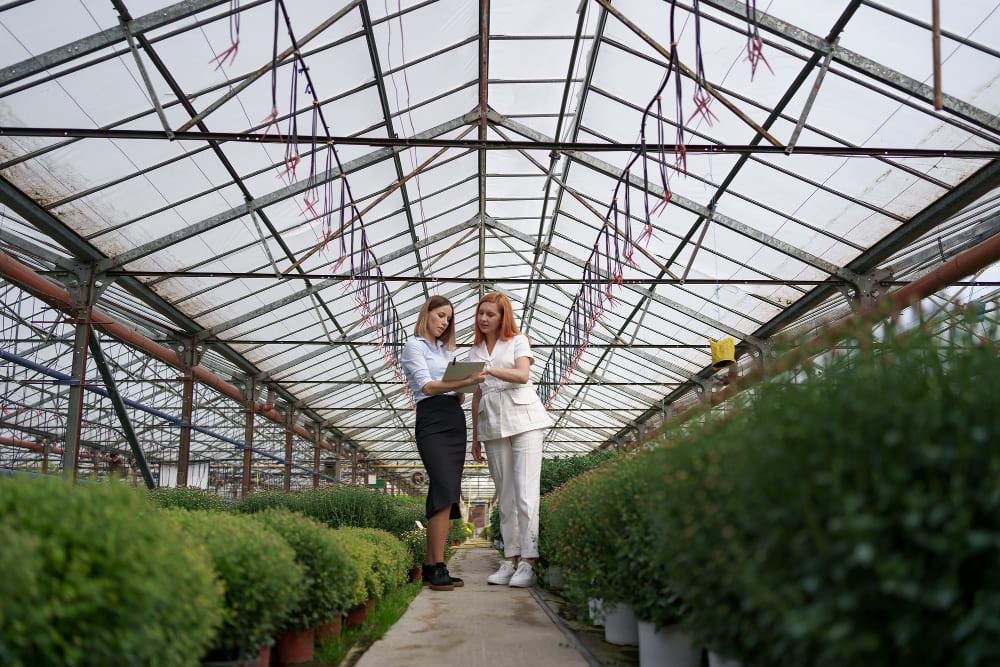
A greenhouse is far more than a structure of glass and steel — it is a sanctuary where nature and human craftsmanship unite. Within its transparent walls, life flourishes even when the world outside grows harsh. The art of greenhouse construction lies not only in the assembly of materials but in the creation of a balanced ecosystem that nurtures vitality throughout the year.
The Foundation of Warmth
The essence of a successful greenhouse begins with its foundation. Stability and insulation are critical — a well-laid base prevents moisture intrusion and heat loss. Builders often opt for concrete footings, layered with gravel for proper drainage. This secure footing ensures that temperature and humidity remain consistent, enabling plants to grow undisturbed by the fluctuations of external weather.
Light, Air, and Balance
Every greenhouse lives and breathes through its light and air. The frame, whether made of aluminum, wood, or galvanized steel, must hold panes at angles that capture sunlight efficiently. The choice of glazing — from traditional glass to modern polycarbonate sheets — determines how light diffuses within. Ventilation systems, automatic or manual, maintain a delicate dance between heat and humidity. When designed properly, the air circulates like a heartbeat, steady and life-giving.
The Warm Embrace of Technology
Modern greenhouses no longer rely solely on the sun. Heating cables, radiant systems, and geothermal loops ensure warmth through winter’s chill, while cooling pads and shading films protect against summer’s glare. Smart sensors now monitor temperature, CO₂, and soil moisture, allowing gardeners to adjust the environment with precision. This fusion of technology and nature transforms the greenhouse into a living laboratory — a testament to innovation guided by care.
The Beauty of Natural Harmony
A thoughtfully designed greenhouse honors the natural cycles of life. The orientation of the structure, the placement of water sources, and the integration of composting areas all contribute to a sustainable rhythm. Rainwater collection systems and passive solar heating embody respect for the planet’s resources. In such balance, the greenhouse ceases to be merely functional; it becomes poetic — a quiet collaboration between human hands and the Earth’s breath.
Beyond the Glass
Hothouses — the warmer cousins of greenhouses — extend the growing season even further. Their carefully controlled climates allow for the cultivation of exotic plants, fruits, and flowers far from their native lands. Within their humid air, one may find orchids, citrus, or even tropical vines winding gently toward the light. These spaces remind us that the boundaries of climate and geography can be softened through knowledge and care.
A Living Legacy
Constructing a greenhouse or hothouse is an act of optimism — a belief in renewal and growth. Each pane installed, each vent adjusted, serves the timeless purpose of preserving life. Whether standing in a backyard garden or spanning acres of farmland, these luminous structures carry the same promise: that with patience, attention, and harmony, life will always find a way to thrive.